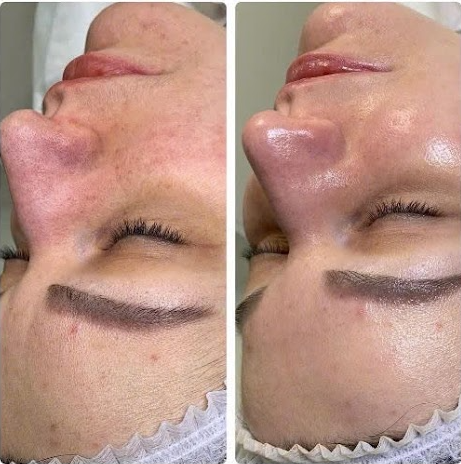
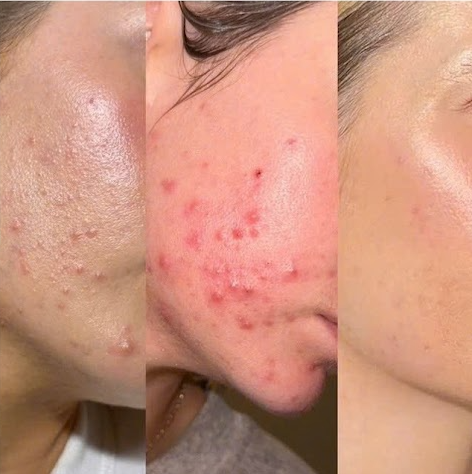
Acne is one of the most common skin concerns, but it is also one of the easiest conditions to misunderstand. Many people think acne is only about dirty skin, oily skin, or a few pimples on the surface. In reality, acne can be related to clogged pores, excess oil, inflammation, bacteria, hormones, lifestyle, skincare habits and the condition of the skin barrier.
1. What Is Acne?
Acne happens when pores become blocked by oil, dead skin cells and buildup inside the follicle. When the blockage becomes inflamed, pimples, redness, swelling or pus may appear. Acne can appear as:
- Small bumps under the skin
- Blackheads or whiteheads
- Red inflamed pimples
- Pus-filled pimples
- Painful deep acne
- Recurring acne in the same area
- Acne with dark marks or scars
This is why DIVA Skin Clinic Poipet focuses on checking the real condition before choosing the treatment method.
2. Why Does Acne Keep Coming Back?
Recurring acne is very common. Many clients have tried skincare, facial cleansing, acne cream, extraction or peeling, but the acne still returns.
Excess oil production
When the skin produces too much oil, pores can become blocked more easily. This often happens in clients with oily skin, combination skin or hormonal changes.
Clogged pores
Dead skin cells, makeup, sunscreen residue, thick skincare or improper cleansing can cause buildup inside the pores.
Inflammation
When acne becomes inflamed, the skin may become red, painful and swollen. If inflammation is not controlled properly, it can lead to acne marks or scars.
Hormonal influence
Some clients experience acne around the jawline, chin or lower face due to hormonal changes, stress, sleep problems or menstrual cycles.
Wrong skincare routine
Using too many strong products, changing products too often, or combining acids, retinol and acne treatment incorrectly can make the skin weaker and more reactive.
Weak skin barrier
When the skin barrier is damaged, the skin may become red, dry, itchy, sensitive and more prone to breakouts. In this case, strong treatment too early may make the condition worse.

3. Common Types of Acne
Hidden acne / clogged pores
Hidden acne often feels like small bumps under the skin. The skin may look uneven or rough, but the acne is not always red or painful. This type of acne is often related to clogged pores, excess oil, thick skincare, heavy makeup or incomplete cleansing.
Inflamed acne
Inflamed acne appears red, swollen or painful. Some pimples may contain pus. This type needs more careful management because inflammation can increase the risk of dark marks and acne scars.
Recurring acne
Recurring acne means the acne improves for a while and then comes back again. Recurring acne usually needs a structured plan: control active acne first, then maintain the result with proper homecare and follow-up treatment.
Hormonal-looking acne
Acne around the chin, jawline or lower face may be influenced by hormones, stress, sleep, diet or lifestyle. Clinic treatment may help control the skin condition, but lifestyle and internal factors may also need attention.
Acne with sensitive skin
Some clients have acne together with redness, stinging, dryness or irritation. This means the skin barrier may be weak. For these clients, treatment needs to be gentler. Recovery and calming may be needed before stronger acne treatment.

4. Acne with Acne Marks and Dark Spots
Many clients do not only have acne. They also have acne marks that may appear as:
- Red marks after pimples
- Brown marks after inflammation
- Uneven skin tone
- Dark spots after squeezing acne
- Rough texture after repeated acne
At DIVA Skin Clinic Poipet, acne and acne marks may be treated in stages. First, we control active acne and inflammation. Then we improve marks, skin tone and texture.

5. Acne with Oily Skin and Clogged Pores
Oily skin does not always mean the skin is strong. Some oily skin is also dehydrated, sensitive or easily irritated. Treatment may focus on:
- Reducing clogged pores
- Supporting oil control
- Calming inflammation
- Improving skin texture
- Preventing new breakouts
6. Acne with Sensitive or Weak Skin Barrier
Some acne clients have already damaged their skin barrier by using too many strong products, peeling too often, over-washing, using harsh scrubs or mixing actives incorrectly. Signs of weak skin barrier include:
- Burning feeling when applying skincare
- Redness, dryness and tightness
- Peeling
- Itching
- Skin that becomes sensitive easily

7. When Should Acne Be Treated at a Clinic?
You may consider clinic treatment if:
- Acne keeps coming back
- Acne is inflamed, painful or swollen
- You have many clogged pores
- Acne leaves dark marks
- Your skin becomes rough and uneven
- Home treatment does not work
- Your skin is sensitive and reacts easily
8. Acne Treatment Direction at DIVA Skin Clinic Poipet
At DIVA Skin Clinic Poipet, acne treatment is planned based on your actual skin condition. We do not choose treatment only because a machine is popular or because another client had the same service.
Stage 1: Control and calm
The goal is to reduce active acne, calm inflammation, clean clogged pores and make the skin more stable. This stage is suitable when the skin has inflamed acne, clogged pores, redness or irritation.
Stage 2: Improve acne marks and texture
After acne becomes more stable, the focus can move to acne marks, rough skin, large pores, uneven tone and skin quality.
Stage 3: Maintain and prevent recurrence
Acne can return if the skin is not maintained. This stage focuses on homecare, follow-up treatment, oil control, sun protection and avoiding habits that trigger acne again.

9. What Can One Acne Treatment Session Improve?
One acne treatment session may help clean the skin, reduce some clogged pores, calm mild inflammation, reduce oiliness temporarily and make the skin feel smoother. However, one session usually cannot fully control recurring acne, hormonal acne, long-term clogged pores or acne with many marks.
10. Why Acne Treatment May Need Several Sessions
Acne treatment may need several sessions because the skin changes gradually. The number of sessions depends on:
- Acne severity
- Skin sensitivity
- How long the acne has been present
- Whether there are acne marks or scars
- Homecare routine
- Lifestyle
- Hormonal factors

11. Homecare Tips During Acne Treatment
- Use a gentle cleanser
- Do not scrub the skin harshly
- Avoid squeezing acne
- Avoid using too many active ingredients at the same time
- Avoid thick products that may clog pores
- Use sunscreen daily, especially if you have acne marks
- Follow the aftercare instructions from the clinic
12. Mistakes That Can Make Acne Worse
Squeezing acne at home
This can push inflammation deeper and increase the risk of dark marks or scars.
Using too many acne products
Too many strong products can damage the skin barrier.
Stopping treatment too early
When acne improves a little, some clients stop everything. This can make acne return.
Ignoring sunscreen
Without sunscreen, acne marks may become darker and take longer to fade.

For Indonesian Clients
Indonesian clients may also search acne treatment as perawatan jerawat di Poipet, treatment jerawat Poipet, klinik jerawat Poipet, menghilangkan jerawat, or bekas jerawat. DIVA Skin Clinic Poipet provides acne and pimple treatment for clients with active acne, clogged pores, oily skin, acne marks and recurring breakouts. You can contact us through WhatsApp or Telegram before visiting DIVA Poipet.