1. What Is Vascular Occlusion?
Vascular occlusion is the most serious potential complication of filler injection. It occurs when filler material — most commonly hyaluronic acid (HA) filler — is accidentally injected into or compresses a blood vessel, blocking blood flow to the tissue supplied by that vessel.
When blood flow is blocked, the affected tissue begins to die (necrosis) within hours if the occlusion is not resolved. In the most severe cases — particularly after nose or glabellar (between-eyebrow) filler — vascular occlusion can cause blindness if filler reaches the ophthalmic artery.
(Bahasa Indonesia) Artikel ini ditulis agar setiap klien yang menerima filler mengetahui tanda-tanda bahaya dan apa yang harus dilakukan segera jika terjadi masalah.
(Tiếng Việt) Bài viết này được viết để mọi khách tiêm filler biết rõ các dấu hiệu nguy hiểm và phải làm gì ngay lập tức nếu có vấn đề xảy ra.
2. Why Vascular Occlusion Is a Medical Emergency
Time is critical. The window for effective treatment of vascular occlusion is measured in hours — not days.
- Within 1–4 hours: Hyaluronidase (the enzyme that dissolves HA filler) can fully restore blood flow if administered early enough
- After 6–8 hours: Tissue damage may begin to occur — the outcome depends on how quickly treatment was received
- After 24 hours: Significant tissue necrosis may be irreversible — scarring and permanent damage can result
- In vision-threatening cases: Blindness from filler in the ophthalmic artery can be permanent if not treated within minutes to hours
This is why recognizing the signs of vascular occlusion — and acting immediately — is the most important safety knowledge for anyone receiving filler treatment.

3. Emergency Warning Signs — Know These Before Your Appointment
- 🚨 Sudden, intense, disproportionate pain at or near the injection site — pain that is much worse than expected
- 🚨 Skin turning white, pale, grey, or bluish in color — visible blanching of the skin
- 🚨 Skin feeling cold or numb in the treated area — loss of sensation
- 🚨 Skin does not return to pink when pressed and released — poor capillary refill
- 🚨 Mottled, net-like purple pattern (livedo reticularis) developing on the skin
- 🚨 Vision changes, blurring, or loss of vision — especially after nose, glabella, or forehead filler
- 🚨 Severe headache appearing suddenly during or immediately after filler treatment
These signs can appear within minutes to hours of filler injection. Some — like vision changes — can appear within seconds. Do not wait and see. Act immediately.
4. What to Do If You Suspect Vascular Occlusion
- STOP — Do not apply any pressure, massage, or heat to the area
- CONTACT the clinic that performed the filler IMMEDIATELY — tell them your symptoms clearly
- If the clinic cannot be reached, go to the nearest emergency medical facility
- If vision is affected — treat as critical emergency, go to emergency services NOW without delay
- Do NOT wait to see if it resolves on its own — every minute matters
- Inform the emergency team that you have had filler injection and suspect vascular occlusion
📱 WhatsApp: +855 93 970 584 | Open 12PM–3AM
5. Why Clinic Choice Matters for Filler Safety
Authentic, Verified Products
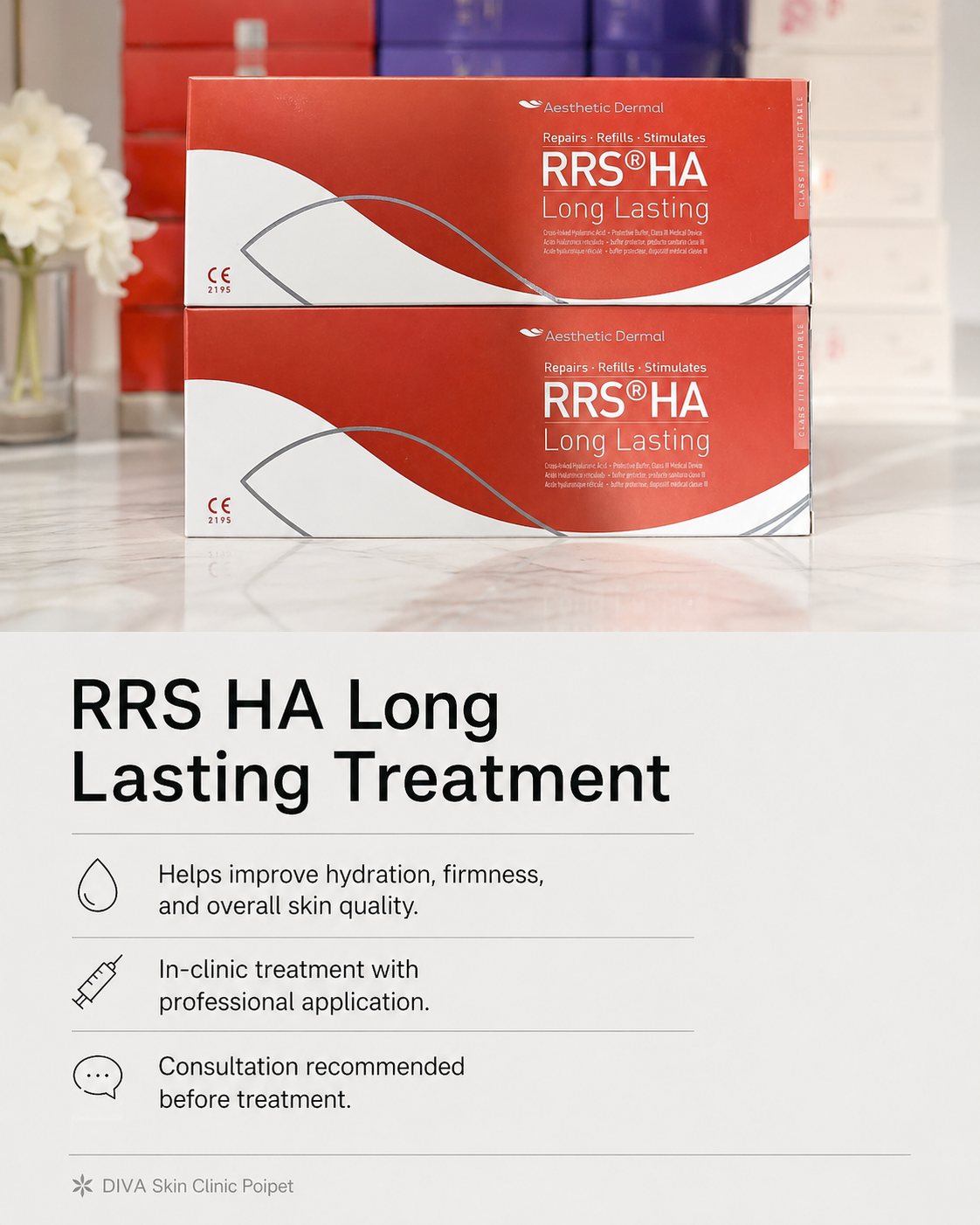
Counterfeit or substandard filler products may have incorrect viscosity, unknown ingredients, or inconsistent behavior — increasing complication risk. At DIVA Skin Clinic Poipet, all filler products come from verified suppliers. Clients may inspect product packaging, expiry date, and batch number before treatment begins.
Correct Injection Technique
Vascular occlusion risk is significantly reduced by using blunt-tipped cannulas (rather than sharp needles) in high-risk areas, aspirating before injecting, injecting slowly, and using appropriate volumes per injection point.
Emergency Protocols On-Site
Any clinic offering filler should have hyaluronidase immediately available and practitioners trained in recognizing and managing vascular occlusion. Ask about this before your appointment at any clinic.
Proper Pre-Treatment Assessment
At DIVA Skin Clinic Poipet, facial structure and vascular anatomy is assessed before filler placement. High-risk areas (nose, glabella, temples) are treated with extra caution regarding volume, technique, and depth.
6. How DIVA Skin Clinic Poipet Approaches Filler Safety
- All filler products from verified, reputable suppliers — clients may inspect before use
- Hyaluronidase maintained on-site for emergency dissolution if needed
- Pre-treatment assessment of facial structure and risk factors
- Conservative volumes — especially in high-risk areas like nose and glabella
- Clients are informed of emergency signs before leaving the clinic after filler treatment
- WhatsApp contact available 12PM–3AM for post-treatment concerns
- Filler correction and dissolving service available for clients with previous filler from other clinics — from $80

7. Other Filler Complications — Less Urgent but Important
Tyndall Effect (Blue Tint Under Skin)
When HA filler is placed too superficially, it can create a bluish tint visible through the skin — particularly in the under-eye area. This is not dangerous but is aesthetically undesirable. It can be corrected with hyaluronidase at DIVA Skin Clinic Poipet. From $80.
Nodules or Lumps
Hard nodules can form if filler is placed incorrectly or if the client massages the area too soon. Most resolve on their own within 4–8 weeks. Persistent nodules can be dissolved with hyaluronidase at DIVA Skin Clinic Poipet.
Asymmetry
Minor asymmetry after filler is common as swelling resolves unevenly. Evaluate at 2 weeks. If asymmetry persists, DIVA Skin Clinic Poipet can add or dissolve filler to correct the result.
Infection
Rare but possible. Signs: increasing redness, warmth, swelling, and pain after day 3. Bacterial infection of filler requires antibiotic treatment and possibly dissolution. Contact DIVA Skin Clinic Poipet immediately if these signs develop.